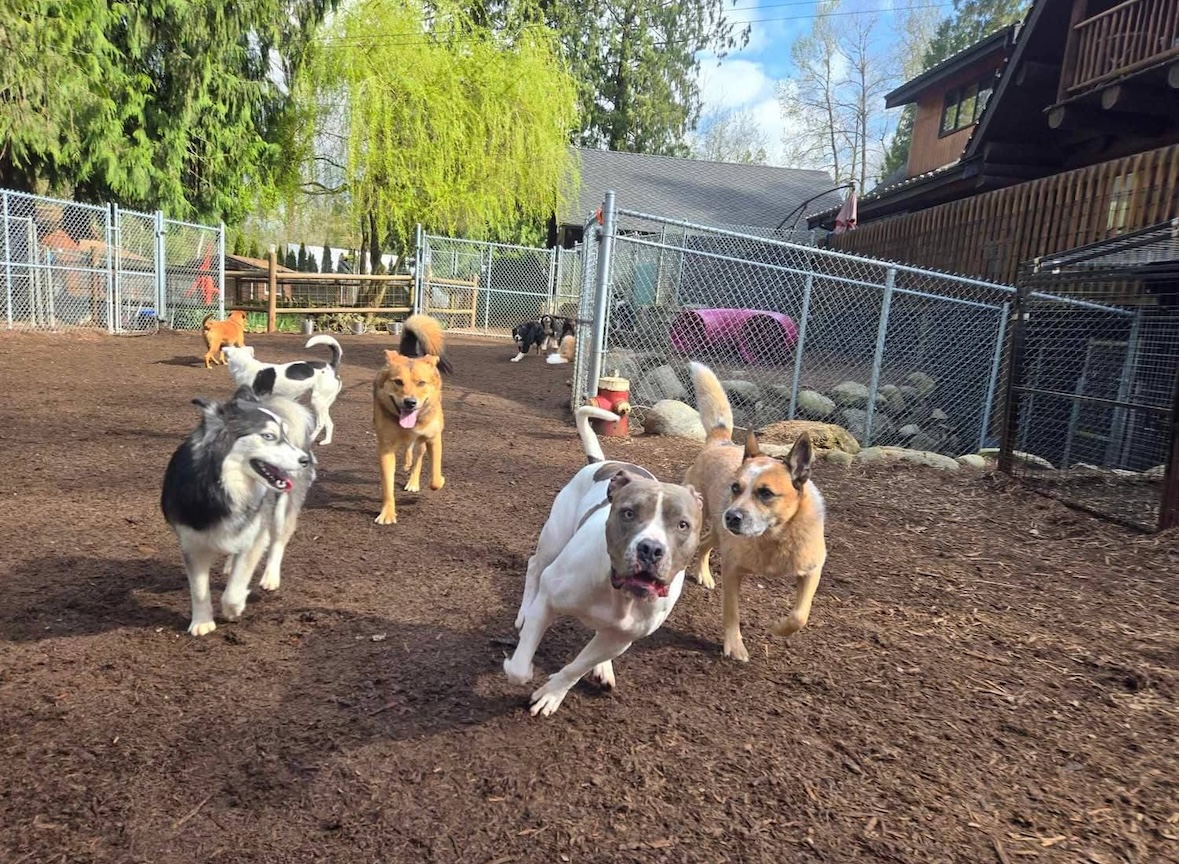
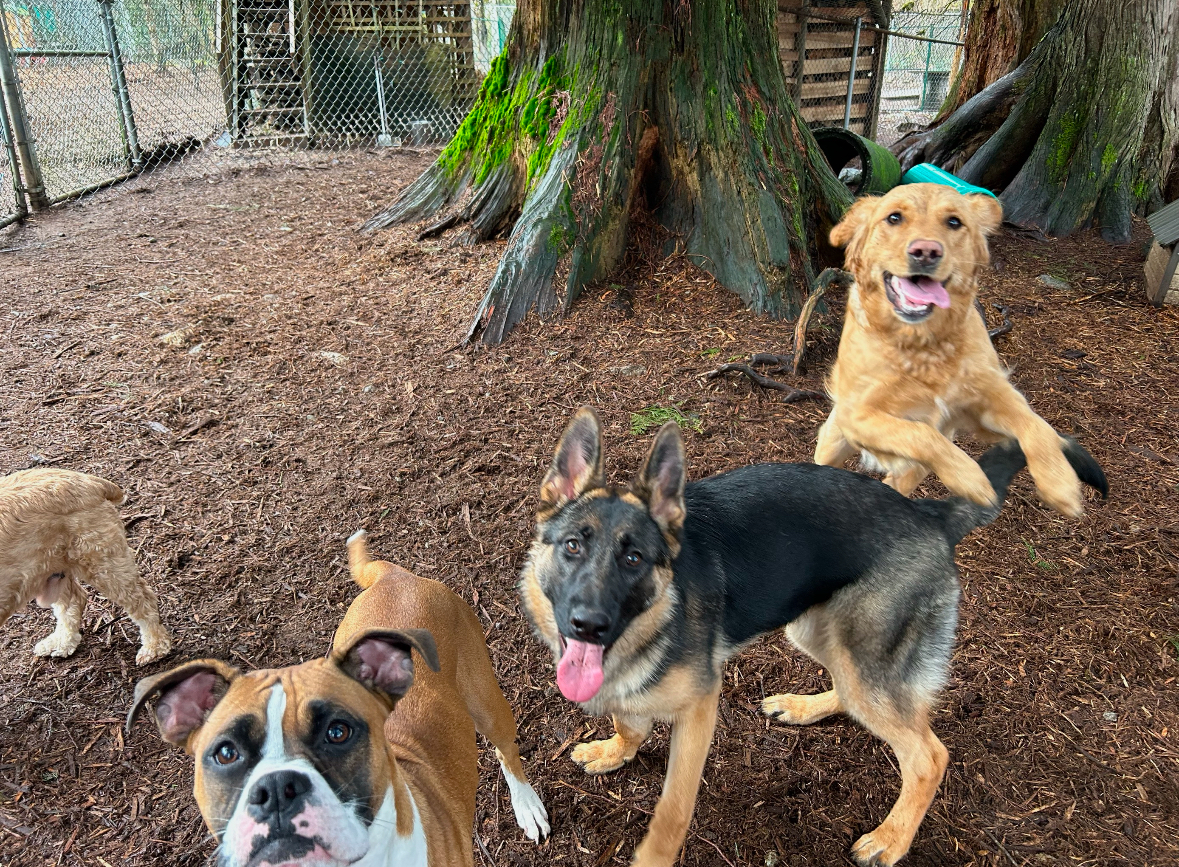
Leaving your pup home while you’re at work is inevitable. You hope they spend the day peacefully napping. But have you ever come home to shredded cushions or shoes, pulled-apart garbage, upset neighbours, or an overstimulated dog who bounces off the walls the second you turn the doorknob? Well, you’re not alone, and this is extremely common, especially in younger dogs.
Dogs are social, active animals that thrive on mental stimulation and companionship. When you leave them alone for hours without an outlet for their natural energy, boredom and loneliness quickly take over. In this blog, we cover early warning signs that your dog is bored, lonely, or struggling at home. Let’s get into it.
The Warning Signs Your Dog Is Struggling at Home
1. Destructive Chewing
Dogs explore their world with their mouths, and chewing is a natural way for them to relieve stress. When left alone without a job to do, your dog turns everyday household items into self-soothing items. They might target leather shoes, door frames, drywall, or furniture legs. This behaviour is rarely done out of spite. Instead, it is an outlet for bottled-up tension and boredom.
2. Excessive Barking or Howling
If your neighbours mention that your dog cries or barks continuously while you are away, your pup is expressing distress. Barking at every minor noise outside or howling into the empty living room is a common call for interaction. When a lonely dog feels isolated, they use their voice to process their anxiety and call out for company.
3. Pacing and Restlessness
When you look at home security clips or observe your dog as you leave the house, you might see them pacing back and forth or continually moving from room to room. Pacing shows that your dog cannot settle their mind or body. This constant motion physically reflects an under-stimulated brain trying to burn off nervous energy.
4. Digging Up the Yard or Furniture
Digging is an instinctive behaviour that intensifies when a dog feels bored or restless. Pups left in a backyard might dig under fence lines or tear up flower beds to pass the time. If left indoors, this urge translates into nesting or frantically scratching at carpet corners, couch cushions, and dog beds until the fabric frays.
5. Sleeping All Day (Lethargy)
While dogs naturally sleep a lot, there is a distinct difference between peaceful rest and apathy born from depression. If your dog sleeps constantly simply because there is nothing else to do, they can become withdrawn and lethargic. Over time, this lack of mental engagement dulls their mood and overall vitality.
6. Needy and Attention-Seeking Behaviours
When you finally return home, a bored or lonely dog clings to your side like velcro. They might constantly nudge your hand with their nose, paw at your legs, whimper, or follow you into every room. This extreme clinginess shows they spent the entire day starving for social contact and human engagement.
7. Overly Excited Greetings
A happy tail wag at the door is normal, but jumping out of control, zooming around the house, knocking over furniture, or accidentally urinating upon your arrival indicates an overstimulated pup. When a dog holds back all their energy during a quiet, lonely day, your return triggers an explosive release of built-up frustration.
8. Paws or Body Licking (Over-Grooming)
Repetitive behaviours like excessive paw licking, leg chewing, or skin biting are common signs of psychological distress in pets. Just as humans might bite their fingernails when anxious, a bored or lonely dog uses compulsive licking as a coping mechanism. Left unaddressed, this can lead to painful hot spots and skin infections.
9. Frequent House Accidents
A house-trained dog that suddenly starts having accidents indoors while you are at work may be reacting to stress. Separation anxiety and boredom frequently upset a dog’s regular physical routine. When a pup becomes distressed or nervous about being alone, they lose their ability to hold their bladder or bowels properly.
10. Escape Attempts
When boredom peaks, a dog’s drive to find adventure outside the house increases dramatically. They might attempt to jump back fences, chew through wooden gates, or push through window screens. These dangerous escape attempts show that your dog is actively searching for stimulation and companionship beyond the walls of your home.
How a Structured Dog Daycare Changes Everything
Leaving your pet alone all day does not have to be your only option.
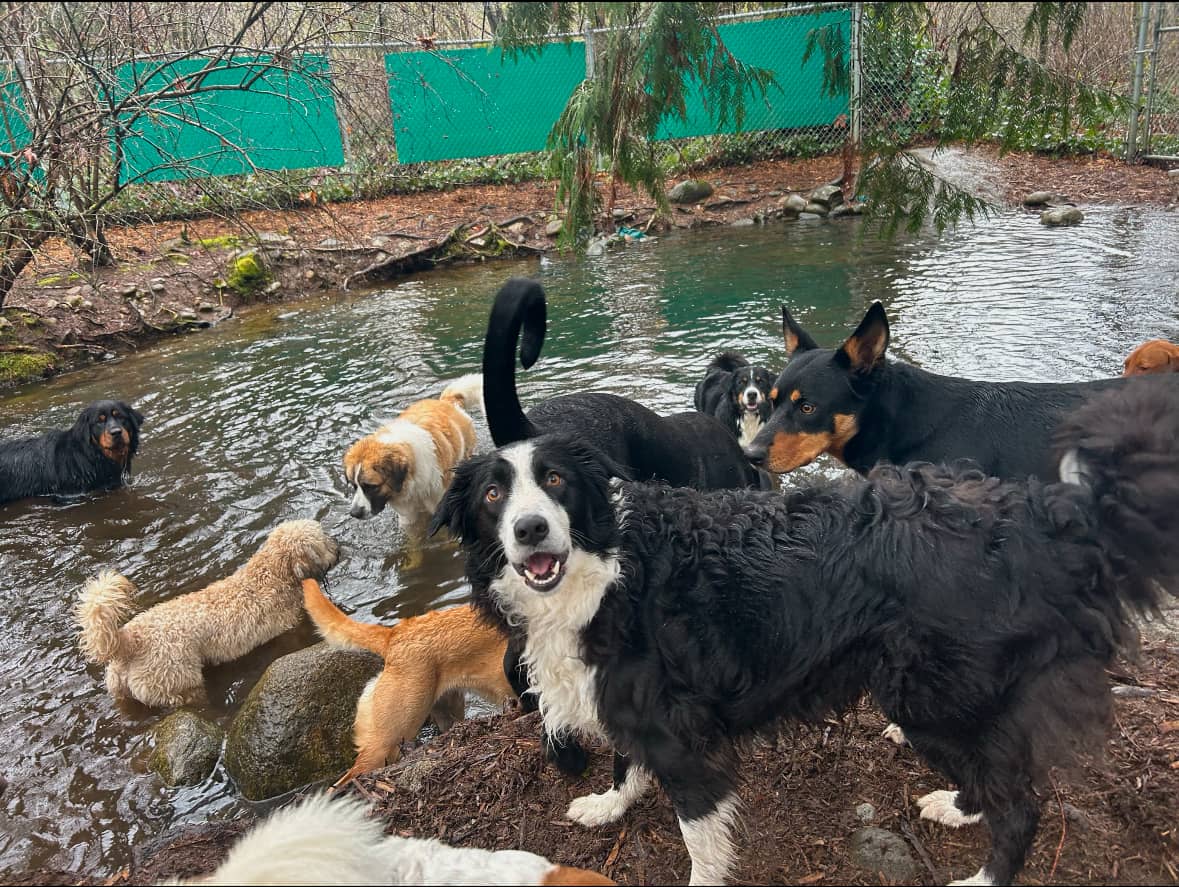
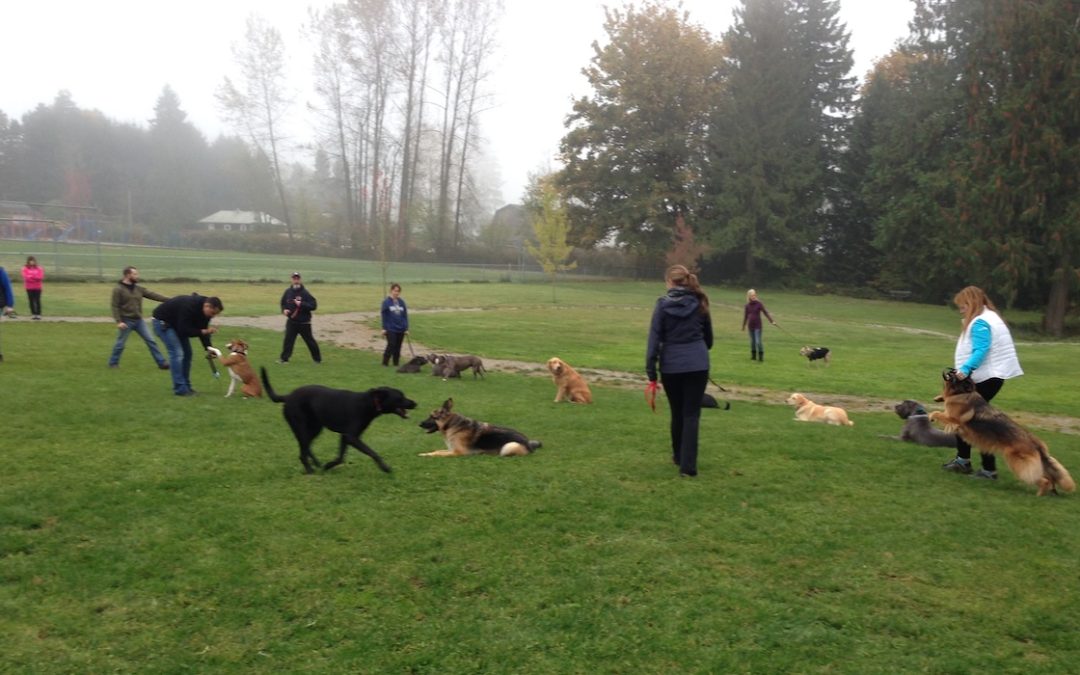
Unlike chaotic environments where dogs are left unsupervised in massive groups, a structured program focuses on balanced play and guidance.
Here is how structured daycare tackles boredom and loneliness:
Physical Exercise: Your pup participates in staff-supervised group play tailored to their size, age, and personality. Instead of pacing around your living room, they run, fetch, and play safely with compatible friends.
Meaningful Interaction: Professional handlers ensure all interactions are positive and respectful. Your dog gets human affection and proper canine socialization throughout the day, eliminating the isolation that leads to excessive barking and clinginess.
Mental Stimulation: Structured daycare engages your dog’s brain with obedience games, agility obstacles, and structured group activities. Solving problems and practicing focus burns off far more energy than physical exercise alone.
Calm Rest Periods: A structured program gives them play with mandatory quiet time. Learning to relax around other dogs prevents overstimulation and teaches your pet healthy self-regulation skills.
Instead of coming home to torn-up furniture or a hyperactive pup demanding your immediate attention, you pick up a happy, relaxed companion who spent their day learning and playing.
A structured outlet keeps your dog’s mind sharp, protects your home, and helps them live a fulfilled, joyful life! Learn more about our daycare programs.
Every dog owner wants a happy and healthy pup. Structured daycare in Cochrane, AB, is a fantastic outlet for physical exercise, safe socialization, and mental engagement. Finding the ideal routine depends heavily on your dog’s physical traits and individual personality.
Let’s dive in:
Key Factors in Determining How Often Your Dog Should Go to Daycare
Your dog’s daycare schedule may largely depend on your own schedule. However, there are certain factors to consider when setting up an ideal routine for them.
Age and Development
Age plays a massive role in stamina and social needs.
Puppies: Young dogs have developing joints and short attention spans. One to two short sessions per week can help build early confidence.
Adult Dogs: Fully developed adult dogs handle multiple group play sessions per week and benefit from routine exercise.
Seniors: Older dogs often prefer low-impact activity and quieter environments. A single-day visit per week keeps them engaged without overwhelming their tired joints.
Energy Level and Breed Traits
Working breeds and high-energy dogs thrive when they’re given an active job or an environment for heavy play. Leaving high-energy breeds home alone is a real disadvantage for them because it can lead to boredom and unwanted behaviours. Conversely, low-energy breeds get all the stimulation they need from brief neighbourhood walks and shorter daycare visits.
Personality and Temperament
Social, outgoing dogs look forward to running with a pack and interacting with caregivers. Highly introverted, independent, or naturally cautious dogs find constant social interactions exhausting. Matching how often they attend daycare to your dog’s social preferences keeps their stress low.
Health and Mobility
Dogs recovering from injuries or managing joint stiffness should have monitored exercise schedules. Healthy, athletic dogs maintain cardiovascular fitness and sharp mental awareness through regular group interactions.
Owner Schedule and Location
Busy work schedules, long shifts, or daily commutes from Cochrane into Calgary can make professional day care a wonderful solution. Having quality Cochrane dog daycare services at your fingertips will allow your dog to receive supervised exercise, potty breaks, and attention while you focus on work.
Recommended Weekly Daycare Schedules
Frequency
Best Suited For
Main Benefits
1 Day per Week
Seniors, cautious personalities, or budget-conscious owners
Broadens mental horizons and breaks up weekly routines
2–3 Days per Week
High-energy adults and active working breeds
Provides an optimal mix of intense exercise and recovery
4+ Days per Week
Very high-energy dogs with demanding routine needs
Requires strict monitoring to prevent physical fatigue
The Role of Rest Days and Preventing Overstimulation
More time at daycare does not automatically mean a happier pup. Rest days are actually just as important. Like humans, dogs need social breaks, muscle recovery, physical healing, and nervous system downtime. Continuous exposure to high-energy group environments without any breaks can lead to chronic overstimulation. Overstimulated dogs display irritability, behavioural regression, or extreme exhaustion at home. It’s all about balance.
Quality daycare facilities like ours have built-in rest periods, individual quiet time, and structured walks alongside group play to maintain a healthy balance. Every dog has a unique routine that keeps them happy and healthy. Choosing the right schedule depends on your dog’s age, energy, temperament, and recovery.
Ready to give your dog a fun environment to play and socialize? Obedience Unleashed provides professional daycare, boarding, and obedience training.
Located right in the centre of town at #101 – 12 Griffin Industrial Point, Cochrane, AB, our facility gives local Cochrane residents and even Calgary dog owners the loving, fun, and safe daycare they deserve. Our experienced staff always makes sure every dog enjoys supervised group play paired with essential rest breaks.
Winters in Cochrane, like anywhere else in Alberta, affect how you live with your dog. One week, Chinooks made a midday walk easy. Then the temperature drops, sidewalks are frozen, and a longer walk didn’t feel good to either you or your dog. Good dog training in Cochrane helps you through all of it.
Regardless of whether it’s raining or the sun is shining, your dog needs regular opportunities to exercise, follow routines, spend energy, and have meaningful things to do. Additionally, protecting your dog’s paws from the ice, snow, salt and chemicals used on our streets and sidewalks during the winter months is important.
Fortunately, getting your dog active during winter doesn’t require a long walk every day. A combination of short trips outdoors, indoor training, activities, exercise, and a structured daycare provides your dog with an opportunity to remain active regardless of the weather.
When It Is Too Cold for a Long Walk, Train Indoors
A dog does not need an hour outside to have a productive day, especially if the temperature falls towards -30 degrees Celsius. A five- to ten-minute training session inside will likely be more effective than attempting to extend a walk that neither you nor your dog finds enjoyable.
Both mental and physical activities can be considered “work” for a dog. As such, asking your dog to listen to you (e.g., “stay,” “wait,” etc.) or stay focused (e.g., enjoying a bully stick) can provide them with positive ways to spend their time.
Take advantage of cold winter days to practice basic skills that will help make daily life easier:
Practice sending your dog to their place or bed and tell them to stay there until released.
Practice recalling your dog from different rooms in your home.
Practice basic obedience behaviours such as sitting, lying down, staying, and paying attention to you despite typical household distractions.
Create treasure hunts using hidden treats or pieces of food.
Practice calmly walking your dog on a leash through a hallway or another open indoor space.
Instead of placing their favourite toys directly on the floor, incorporate them into short training exercises and games.
Keep the training sessions relatively short. Five focused minutes several times during the day is easier for most dogs than one long lesson.
Consistency is key here. If your dog typically gets plenty of outdoor time and then suddenly spends several days confined indoors, undesirable behaviour patterns can rapidly develop. Examples include barking, jumping, chewing, pulling, and restlessness, which are usually more challenging to address once they’ve developed due to the lack of a clear outlet. Training redirects the excess of energy appropriately.
Winter Exercise Doesn’t Have to Stop
Cochrane offers many locations to walk and exercise with your dog when conditions are favourable. The Historic Cochrane Ranche, for example, is a good option for a change of scenery and is connected to Glenbow through a pathway system and leads toward the Bow River. This trail allows you to vary the duration of your walk depending on the current weather conditions.
The Bow River corridor also has numerous options for local dog owners. Riverfront Park features walking paths and a designated off-leash area for dogs. In addition, Jim Uffelmann Memorial Park includes trails adjacent to the Bow River and an off-leash area too.
Of course, winter affects how you utilize these locations.
After snow, watch for packed ice and uneven sections. Conditions on unpaved trails will differ from cleared asphalt paths. Keep your dog leashed unless you are in a clearly marked off-leash area.
Most importantly, watch your dog. If they start lifting their paws, shivering, slowing down, or refusing to continue, they’re telling you something. Head home. There is no benefit in finishing a planned route just because you normally walk that distance.
A ten-minute walk on a suitable winter day is better than pushing through an hour in conditions your dog can’t handle comfortably.
Booties or Paw Balm: What Works Better?
Snow itself is only part of the issue. Cochrane sidewalks create another winter problem, since ice, road salt, and deicing products can irritate sensitive paw pads.
Dog booties provide the strongest physical barrier between your dog’s feet and the ground and are especially useful when you regularly walk on treated sidewalks or during very cold weather (and very hot weather too). The problem is that some dogs strongly dislike them at first.
Don’t put on four boots for the first time and immediately expect a normal walk. Introduce them indoors, let your dog wear one briefly, reward calm behaviour, and slowly build from there. Walking strangely for the first few minutes is common while a dog gets used to them.
Paw balm or paw wax can also work well for shorter walks and for dogs that refuse to wear boots. Apply it before going outside to create a protective layer between the paw and winter surfaces.
Whichever option you choose, check your dog’s feet during the walk and when you come home. Wipe the paws and between the toes to remove salt, ice, dirt, and any type of debris. Dry them well, look for redness, cracks, cuts, or areas your dog keeps licking.
Paw care takes a minute, while treating a painful or injured paw takes much longer and costs more.
Adjust Exercise to Your Dog, Not Just the Forecast
A large dog with a thick coat handles cold differently from a small, short-haired dog. This is why there is no single winter walking rule that fits every dog. Puppies and senior dogs also need extra care.
Wind, wet fur, snow depth, and the amount of time spent outside all change how quickly a dog becomes uncomfortable. Watching your dog is more useful than following a fixed walking schedule.
On milder days, take advantage of the weather and enjoy a longer outing. When a Chinook arrives, it gives you a welcome chance to get outside, although melting snow followed by freezing temperatures can leave slippery surfaces behind.
During a deep cold snap, shorten the outdoor portion of the day and move more activity indoors. Keep in mind that winter exercise should be flexible.
Why Structured Daycare Helps During Cochrane Winters
Some winter weeks make a normal exercise routine difficult. You may leave for work in the dark, with temperatures that stay low all day, and by the time you get home, both you and your dog have spent most of the day indoors.
Obedience Unleashed’s Cochrane dog daycare includes outings, walks, supervised social play with other dogs, and one-on-one time with staff. It gives your dog a full day with planned activity instead of another long stretch at home.
Our goal isn’t just to spend their energy, but rather to give them appropriate physical activity, social contact, and engagement during a season.
For dogs that need more than exercise, dog boarding in Cochrane combines professional training with boarding or daycare. It can be useful when you want concentrated work on obedience or behaviour rather than simply adding more activity to the day.
Don’t Put Training on Hold Until Spring
You shorten walks because it is cold. Training happens less often. Your dog gets more restless indoors. Winter can quietly undo good habits and, by February, pulling on the leash or ignoring commands has become normal again.
That’s why dog training in Cochrane should continue through winter. The only thing that changes is where and how you practise:
Use your living room when it is too cold outside.
Practise attention during a short walk instead of measuring success by distance
Use comfortable winter days for longer outings around Cochrane
Add daycare when your schedule or the weather leaves your dog without enough activity.
Small amounts of consistent work are far more useful than waiting for perfect conditions.
Build a Winter Routine You Can Actually Keep
You don’t need an elaborate winter schedule.
On a good day, go for a proper walk. On an icy morning, shorten it and add indoor training later. Protect your dog’s paws when sidewalks are salty. Use daycare when several days of bad weather make normal exercise difficult. More importantly, pay attention to your dog.
When you keep training, exercise, paw care, and rest in balance, winter becomes much easier to manage. Your dog stays engaged, you keep building useful habits, and neither of you has to wait for spring to enjoy life together.
Bringing a puppy home is exciting, but it also changes your routine. Between house training, chewing, puppy biting, vet visits, and interrupted sleep, it’s easy to put socialization on the list for later. But those first months matter.
If you live in Mission, Silverdale, or nearby Maple Ridge, you have plenty of ways to introduce your puppy to everyday life without overwhelming them. A good routine combines safe outings, short training sessions, positive experiences with people, and controlled exposure to other dogs. A structured puppy class can also help you build those skills before unwanted habits become harder to change.
Socialization isn’t about letting your puppy meet every dog they see. Rather, it’s about teaching them that new people, sounds, surfaces, places, and situations are normal.
Start With Your Vet and a Vaccination Plan
One of your first jobs after bringing a puppy home is finding a local veterinarian.
Mission has several veterinary clinics, including Mission Veterinary Hospital and Eagle Hill Animal Hospital. If you are new to the area, contact a clinic early and ask about new patient availability, your puppy’s vaccine schedule, parasite prevention, and when your puppy can safely begin walking in public places.
This matters because socialization starts before many puppies finish their full vaccination series.
The American Veterinary Society of Animal Behavior supports safe socialization during the first three months of life rather than keeping puppies isolated until every vaccine is complete. At the same time, young puppies should avoid uncontrolled contact with unknown dogs and areas with a high risk of disease. Your veterinarian can give advice based on your puppy’s age, vaccines, health, and local risks.
You don’t have to choose between keeping your puppy healthy and showing them the world. You simply need to control how those early experiences happen.
Use Silverdale as a Socialization Classroom
A puppy can learn a lot without walking several kilometres.
Silverdale Park at 29780 Donatelli Avenue gives you a local setting with open space, benches, sports activity, and people coming and going. Silverdale Creek Wetlands on Silverdale Avenue has an easy trail and a quieter natural setting. Both give your puppy opportunities to experience sights, voices, movement, birds, vehicles, and changing outdoor sounds.
If your puppy hasn’t been cleared by your vet for public walks, don’t treat a public park as a safe place to explore freely on the ground. Carry your puppy, use a puppy stroller, sit together on a clean blanket where your vet says it’s appropriate, or simply watch the world from your vehicle. The goal is calm observation.
A puppy who can watch a bicycle pass without lunging, hear children playing without becoming frightened, and see another dog from a distance without losing control is learning valuable social skills.
You don’t need strangers or other pets constantly touching your puppy for socialization to work.
Introduce People Without Creating a Puppy Who Jumps on Everyone
Puppies attract attention. Walk through Mission with a young dog, and you will quickly discover how many people want to say hello. Use that attention carefully.
Teach your puppy to keep four paws on the ground before greeting someone. Give them time to approach instead of allowing a person to lean over them immediately. If your puppy backs away, don’t force the interaction. You are teaching confidence, not simply collecting greetings.
Children are another important part of socialization, especially for families living in growing neighbourhoods. Keep early meetings calm and supervised. Children should not chase the puppy, pull at them, or crowd around them.
A positive two-minute meeting teaches more than a chaotic twenty-minute one.
Try a Patio Without Turning It Into Playtime
Once your veterinarian says the outing is appropriate, a quiet patio can be a useful place to practise settling around normal distractions.
The Penny in downtown Mission has a dog-friendly patio. If you are heading toward Maple Ridge, Golden Ears Cheesecrafters is also welcoming dogs at outdoor tables. Patio rules change, so confirm with the business before bringing your puppy.
The important part is what you do once you arrive. Bring your puppy beside your chair and reward calm behaviour. Let them hear cups being moved, doors opening, people talking, and servers walking past. Learning how to do nothing in a busy place is a skill.
For a puppy that has not finished its vaccinations, ask your vet before placing them on a shared patio surface used by other dogs.
Choose Dog Friends Carefully
Socialization doesn’t mean taking your puppy to a busy dog park and hoping everything goes well. One calm, healthy dog with good social skills is often a better teacher than a crowd of unfamiliar dogs.
Arrange controlled meetings with dogs you know. Watch both dogs closely, give them breaks, and don’t ever force interaction when one dog is trying to move away. Also teach your puppy that seeing another dog doesn’t always mean playtime. You want to be able to walk past another dog without being dragged across the sidewalk. This skill becomes far more important as your puppy grows.
Know Mission’s Dog Rules
Getting your puppy comfortable in the community also means understanding the local rules.
The Fraser Valley Regional District manages dog licensing in Mission. Dogs four months of age and older need a current licence. The animal control bylaw also requires dogs to be restrained in public places.
Mission’s park guidance says dogs are welcome on leash in its parks, with off-leash activity limited to designated areas. Centennial Park, for instance, currently includes an off-leash dog area. City guidance for that dog park states that puppies must be at least four months old and dogs must be vaccinated.
That is another reason not to use the dog park as your puppy’s first socialization experience. Start with controlled situations where you can manage distance and leave when your puppy has had enough.
Practise the Skills You Will Actually Use
Puppy training should make daily life easier.
Think about the situations you will deal with around Mission. You will want your puppy to walk without pulling, come when called, wait at doors, settle when visitors arrive, and pay attention when another dog appears across the street. Work on these skills for a few minutes at a time.
At home, practise:
Responding to their name
Coming when called
Sitting before going through a door
Walking beside you on leash
Settling on a bed or designated place
Allowing gentle handling of paws, ears, and mouth
Staying focused when normal distractions appear
A puppy learns from every interaction with you. If pulling gets them where they want to go, they learn to pull. If jumping earns attention, they learn to jump. If calm behaviour gets rewarded, they learn that too.
Give Your Puppy Structured Socialization
It’s easy to feel unsure during the puppy stage. One person tells you to expose your puppy to everything, while someone else tells you to keep them home. A neighbour says one thing about leash training, while a video online tells you something completely different.
At Obedience Unleashed, we offer a puppy class in Mission at our Silverdale location on the Mission and Maple Ridge border. Classes are designed for puppies from 10 weeks to 6 months old. Puppies need their second vaccinations before attending.
The class works on engagement, basic obedience, recall, loose leash walking, social skills, and the place command. Owners can also ask about common puppy problems such as chewing, play biting, house training, greeting people, and dog socialization.
The biggest benefit is teaching your puppy a long list of tricks. It’s learning how to communicate with them while they are still young.
Raise the Dog You Want to Live With
Take your puppy somewhere new, let them watch the world, practise a useful skill, introduce them to people without forcing contact, choose dog interactions carefully, and follow your vet’s advice while vaccinations are still underway. Then do it again tomorrow.
Those ordinary experiences add up. Over time, your puppy learns that the world around them is normal and that you are worth paying attention to. That foundation makes walks, family outings, visitors, vet appointments, and everyday life much easier as your puppy grows.
You want your four-legged best friend to be friendly, confident, and polite around other dogs and people. You imagine peaceful walks along the Bow River, stress-free patio visits, and fun trips to local parks. But if your dog gets so excited at the sight of another pup, and they turn into a 60-pound furry wrecking ball on the leash, you’re not alone.
What is the secret to helping your dog learn proper social manners? Is dog daycare actually good for socialization, or is it just a chaotic free-for-all? These are all important questions.
The short answer is yes, dog daycare in Calgary can be incredible for socialization when done right.
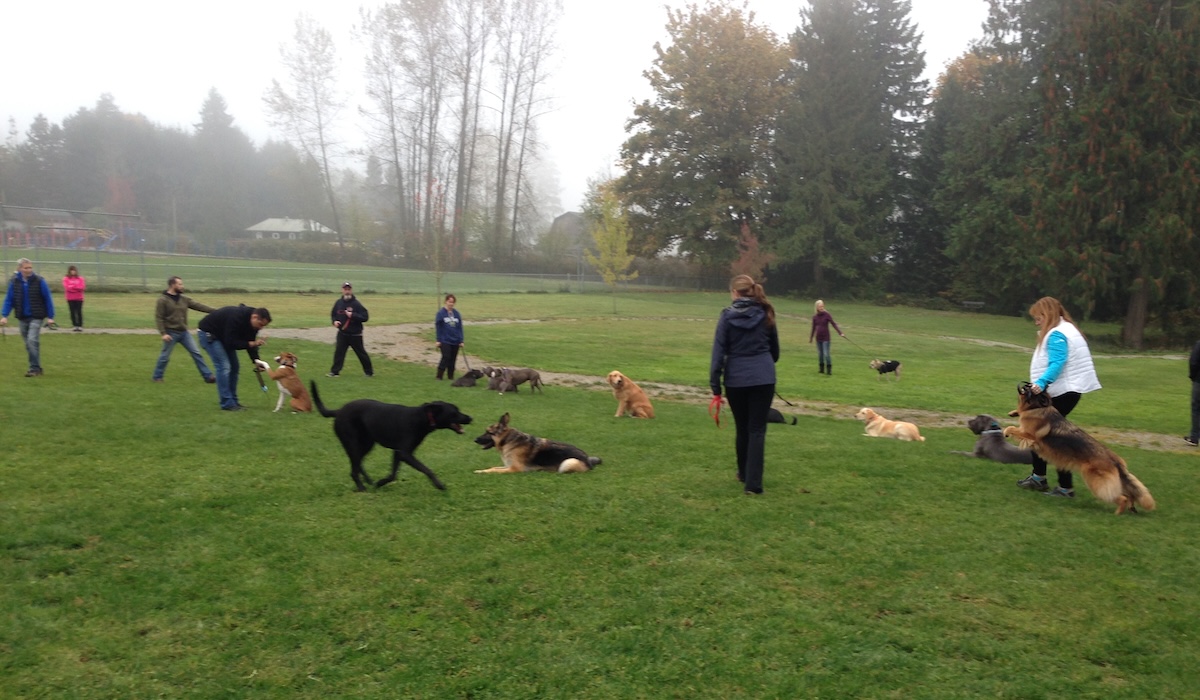
Socialization is not just about letting your dog play with as many dogs as possible. Real socialization is about teaching your dog how to navigate interactions calmly, read canine body language, and interact appropriately with both dogs and humans. Here is what Cochrane and Calgary pet parents need to know about how high-quality dog daycare builds well-adjusted, happy dogs.
1. What Good Socialization Actually Looks Like
When people hear the word socialization, they often think of a dog park with dozens of unfamiliar dogs running free, high-energy, and with little to no structure. While dog parks can be fun for some naturally easygoing dogs, they can also be overwhelming, chaotic, and unpredictable. One bad experience with an overly pushy dog can trigger fear or leash reactivity in a developing pup.
Quality dog daycare offers a controlled environment designed to foster positive experiences. Instead of overwhelming your dog, structured daycare helps them learn:
Canine Body Language: Dogs communicate constantly through micro-signals tail wags, ear positions, lip licks, and play bows. Daycare gives dogs practice listening when another pup says, “Hey, I need a break,” or “Let’s play!”
Polite Greeting Habits: Jumping on every dog or human they see isn’t polite behavior. Controlled group settings teach dogs that remaining calm leads to fun interactions.
Emotional Regulation: Learning how to go from high-energy chase games back to a resting state is a vital life skill. Good daycares incorporate quiet rest times so dogs don’t get chronically overstimulated.
2. Learning Proper Interactions with Dogs and Humans
A common misconception is that daycare is only about dog-to-dog play. In reality, how dogs interact with human handlers during daycare is just as important!
Respecting Human Boundaries
In a structured environment, dogs interact with caring attendants who reinforce good habits. Pups learn that jumping up, mouthy play, or demanding attention from humans does not work. Instead, sitting politely earns affection, treats, and belly rubs. This creates a dog who is a joy to have around guests at home or on busy Calgary trails.
Building Confidence Around Other Dogs
Not every dog is a social butterfly, and that is completely normal. Some dogs are naturally shy or cautious. In a safe, supervised setting, hesitant pups can observe play from a comfortable distance before choosing to join in. Over time, gentle exposure helps timid dogs build real confidence without feeling forced into overwhelming situations.
3. The Secret Sauce: Supervised Socialization & Trained Staff
Why does structured daycare succeed where the dog park often fails? The answer comes down to supervision. Leaving a group of dogs to sort it out themselves can be a recipe for trouble. Dogs don’t always know how to set healthy boundaries on their own. That is where trained staff members step in.
Professional attendants are trained to read subtle body language and spot the difference between healthy, reciprocal play and rising stress levels.
What Staff Look For:
Reciprocal Play: Are both dogs taking turns chasing and being chased?
Loose, Bouncy Movement: Are the dogs relaxed, or are their bodies stiff and tense?
Pause Points: Do the dogs take natural breaks to sniff or drink water, or are they hyper-focused?
When play gets a little too intense, trained staff step in with gentle redirection before anyone gets overwhelmed. This proactive approach ensures every dog leaves daycare feeling happy, safe, and tired in the best way possible.
4. Why Matching Size, Temperament, and Play Style Matters
Imagine being placed in a tiny room full of high-energy sprinters when all you wanted was to sit quietly and read a book. That is what it feels like when a calm, gentle dog is tossed into a group of rough-and-tumble wrestlers!
At a professional dog daycare facility, playgroups are never one-size-fits-all. Dogs are evaluated and placed into suitable groups based on three key factors:
Matching Factor
Why It Matters
Size & Weight
Prevents accidental injuries. A 90-pound German Shepherd playing rough with a 10-pound Pomeranian can lead to accidental harm, even with the best intentions.
Temperament
Keeps stress low. High-energy, bold dogs pair well together, while quiet, gentle dogs prefer calm, polite playmates.
Play Style
Ensures mutual fun. Chasers love other chasers, wrestlers love other wrestlers, and gentle sniffers love other sniffers!
By grouping dogs with like-minded buddies, daycare becomes a joyful experience tailored specifically to your dog’s personality.
5. Is Daycare Right for Your Dog?
While dog daycare offers huge benefits, it is worth noting that daycare isn’t every dog’s cup of tea, and that is totally okay! Senior dogs, highly reactive dogs, or dogs with severe resource guarding may prefer individual training, one-on-one playdates, or solo adventures.
A great daycare facility will always start with a thorough behavioral assessment to evaluate your dog’s comfort level, play style, and social preferences before making a recommendation.
Give Your Dog the Gift of Healthy Socialization
Giving your dog structured, safe opportunities to socialize sets them up for a lifetime of success. Obedience Unleashed believes that proper socialization goes hand-in-hand with clear communication, structure, and positive reinforcement.
Ready to see your dog thrive, build confidence, and make some great furry friends? Reach out to our team today and learn more about our approach to daycare and training!
Kamloops is a beautiful, rugged semi-desert climate, which means our dogs have to handle some of the most extreme seasonal shifts in BC. Whether your pup spends their days at dog daycare in Kamloops or joins you on local adventures, they have to deal with blistering 35°C+ summer afternoons, bone-chilling winter cold snaps, and a very real spring-to-fall rattlesnake season. To keep your pup safe out here, we’ve put together this local playbook. Here is what it takes to navigate Kamloops’ climate challenges, so you and your pup stay safe.
Summer Heat
When July hits, Kamloops can get blistering hot. It’s easy to forget that while we wear thick-soled shoes, our dogs are walking directly on the asphalt.
Paw Protection
If the air temperature is 25°C, asphalt in direct sunlight can quickly reach over 50°C. Before you head out for a neighbourhood walk, use the 7-second rule: press the back of your bare hand firmly onto the pavement. If you can’t comfortably hold it there for seven seconds, it is too hot for your dog’s paws. Stick to early morning walks, or head to shaded grass areas.
Recognizing Heatstroke
Dogs can’t sweat as we do; they rely on panting to cool down, which becomes way less effective when it’s 38°C outside. Keep a close eye out for these red flags:
Excessive, frantic panting or loud, heavy breathing.
Bright red or dark gums and a thick, ropey drool.
Lethargy, dizziness, or wobbliness: if your dog slows down or looks disoriented, stop immediately.
If you suspect heatstroke, move them to the shade, drape them in cool (not freezing) damp towels, and get to a vet right away.
Snake Season
Kamloops is home to the Western rattlesnake, a timid but venomous pit viper that calls our dry, rocky grasslands home. They usually wake up from hibernation in April and stay active through October.
The Local Trail Guide (Where to Avoid)
During peak summer heat (July and August), snakes are highly active, especially in the early mornings and evenings when they come out to hunt. If you have a dog that loves to chase movement or sniff in the brush, you’ll want to adjust your hiking routes or just keep them on leash to avoid sticking their noses in rocks and bushes.
High Risk: Kenna Cartwright Park and Lac du Bois Grasslands: The sagebrush, rock piles, and exposed slopes here are prime rattlesnake real estate. If you hike here, keep your dog tightly on-leash and stay strictly on the main, wide dirt paths.
Safer Bets: Stick to paved or heavily shaded routes like the Rivers Trail along the water, or head up to higher-elevation forested spots like Stake Lake, where the temperatures are cooler, and snake encounters are rare.
Snake-Avoidance Training
The best defence is solid impulse control. A reliable “Leave It” command can literally save your dog’s life if they stumble upon a snake warming itself on a trail. Training your dog to automatically step back when they hear that unmistakable, high-pitched buzz is a skill every Kamloops dog owner should practice.
Winter Cold
Our dry air makes the cold bite just a bit harder. While big, fluffy northern breeds thrive in the snow, short-coated or smaller dogs need an extra layer. If it drops below -10°C, consider a well-fitted coat for short-haired breeds.
The biggest winter headache for local dog owners is snow packing. Our dry, powdery snow easily clumps into hard ice balls between your dog’s toes, which can cause skin tearing and limping. To prevent this, trim the hair between their paw pads short before winter hits, or use a high-quality paw wax (like Musher’s Secret) before heading out into the snow.
If your neighbourhood salts the sidewalks, always wipe their paws down when you get home to prevent chemical burns.
Living in Kamloops means enjoying the incredible outdoors year-round. With a little bit of seasonal preparation and an eye on the trail, you and your dog can safely tackle whatever the Thompson Valley throws your way!
Have you practiced the “Leave It” command with your dog? Let us know how your training is going, or ask us about setting up solid focus work for your outdoor adventures. Our Kamloops location is located on 6 acres at 9015 Barnhartvale Rd, Kamloops, BC. Call us for daycare, boarding or training today: 1 (844) 900-3647.
You will want to be able to take your puppy for walks and for rides. You need to get him used to meeting people and other animals. There are many ways to acclimate him to the new surroundings. You must take your time and not push the pup into a situation where he is uncomfortable. Puppies don’t come into the world knowing all the right things to do, so be patient and have fun with him.
The first few months of the puppy’s life is the best time to introduce him to all the wonders in the world. Expose the pups to everyday chores in the household. The mother will also teach them some social skills.
As soon as you bring the new pup home, introduce him to the family in a quiet setting. This gives him time to get to know the person without the noise of many people in the background. That can cause undue stress on the new puppy.
As soon as the puppy is vaccinated and the vet says it is alright, start taking the puppy on walks and outings so he can begin to get used to his surroundings.
Make sure your puppy meets people of every age. He might become frightened later if you only introduce him to elderly people and he runs into some children. This can also lead to aggressive behaviours in some dogs. Give the person you are introducing a small treat to give to the puppy. This will help build trust between the two. They can even get down on the dog’s level and play on the floor with him after a couple of meetings.
Please remember that socializing your puppy is not “only” letting them play with other dogs. That would simply be too easy. Puppy socialization is the exposure to the activities of daily life with their new family (pack). The training of your puppy begins the moment you bring them to your home and not at 6 months of age when they have already learned some unwanted (destructive) behaviours. As such, basic obedience training is a perfect form of socializing your puppy with other people and dogs. It will also teach them proper pack structure, as well as expected behaviours around social interaction.
If you don’t have time to invest in the adventure of raising a puppy, please don’t bring one home. They do need lots of patience and caring their first months with you. They need to follow a schedule to learn what is expected and before you know it, they will become a wonderful member of your family and be a special part of your life for many years to come.
After falling in love with a dog that melted your heart at the local shelter or carefully selecting a puppy from the breed-specific rescue, you’re now faced with some very real challenges at home. What’s the quickest path to making your new bundle of joy a member of the family with whom it’s a joy to live? Your pup will be developing habits each and every day, so begin on day one to train the behaviors listed below.
1. Housetraining
From day one, the key words are containment, both short-term and long-term, and reward opportunities. Confinement in a crate for night-time and in a small area during the day with an indoor sod tray or puppy pad is essential for errorless housetraining until your pup earns more space in your house. Ample opportunities for elimination with food rewards will have your dog looking forward to getting onto the leash to go to the chosen spot in your yard to eliminate and get a yummy treat.
2. Handling and Good Manners at the Veterinarian and Groomer
Your pup should be handled often, starting at 4 weeks of age if that is possible. Visit your puppy frequently and get a head start on the human-animal bonding process with all the members of your family. If your puppy comes home at 8 weeks or later, handle, massage every inch of your puppy, and hold your puppy often. In addition to regular snuggling, pretend you and your pup are at the groomer or vet and practice puppy calmness while you examine toes, ears and mouth with your puppy standing safely on a raised surface.
3. No Bite!
Start on day one to let your pup know in a dog-friendly way that puppy biting is not OK with you. Discontinue playing or handling your pup each and every time you feel teeth on your skin – draw away from your pup or put him on the floor immediately as you make a disappointed sound with your voice. Wait for five seconds, and then resume calm play and handling as if nothing had happened. Your dog will learn that everything, especially fun, stops if he bites!
4. Socialization
Expose your dog to anything and everything you think he may experience later in life – 100 New Things in the First 100 days! Learning to be a social butterfly is the most important thing your dog will ever learn. Socialize early and frequently to all types of people, other dogs and moving objects. Ultra-socialize your puppy to children of all ages, men and strangers and with lots of other dogs of all shapes and sizes. Socialize to skateboards, bicycles and joggers and to all types of situations too.
5. Appropriate Chew Toy Training
Chew items are your friends. Provide a nice variety of safe chew and food toys to help stop puppy biting, to save your furniture, and to teach your puppy self-calming and how to be happy on his own. Up to five months of age and perhaps for a lifetime, your dog will be hunting about for things to chew. Chewing dulls the pain of teething, keeps a pup busy and very importantly, it relieves stress. If you don’t give your puppy something to do, you can be certain, he will find something to do!
————————
This article was published by Linda Michaels, on Victoria Stilwell’s website. To read the full article please follow this link:www.positively.com